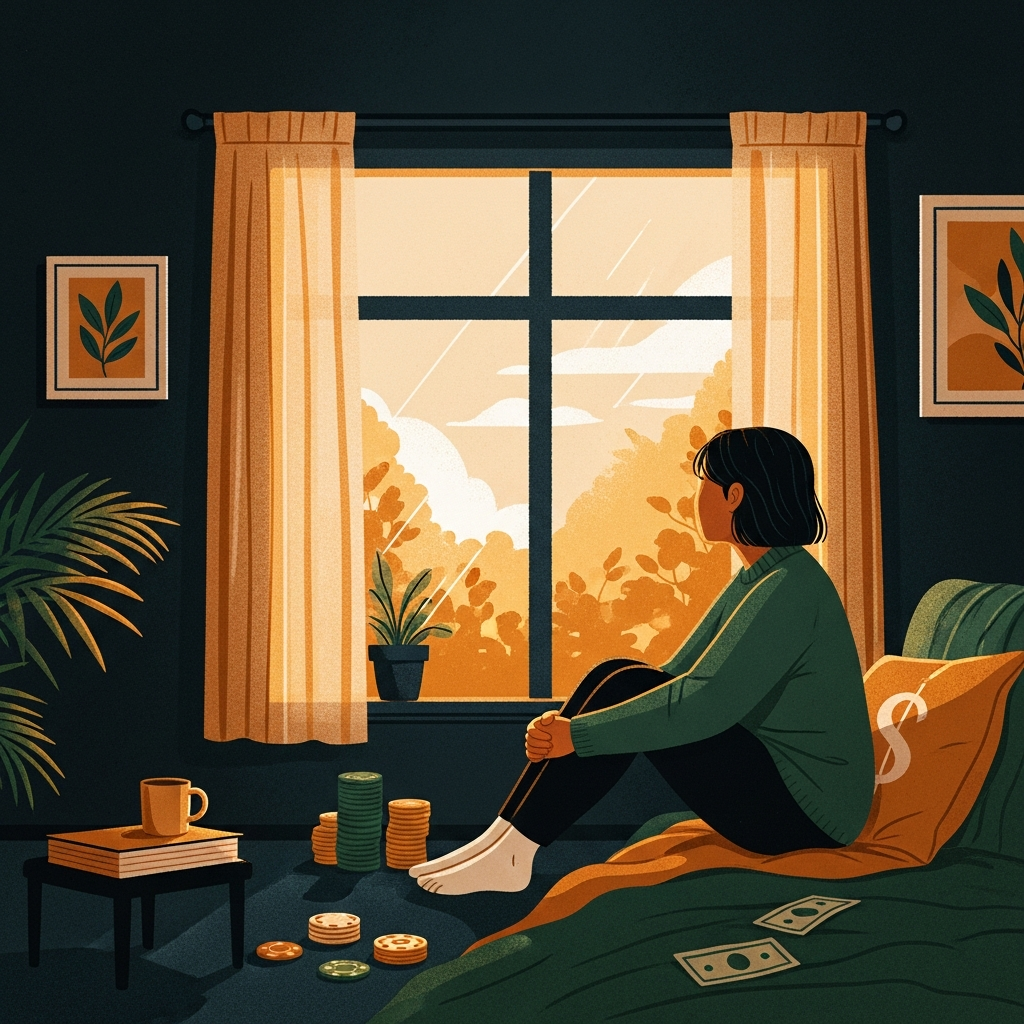
Gambling addiction is a progressive behavioral disorder characterized by an inability to control gambling despite harmful consequences. Learn the signs, science, and path to recovery.
What is gambling addiction?
Gambling addiction — also called compulsive gambling or gambling disorder — is a progressive behavioral condition in which a person cannot control the urge to gamble, even when it causes significant harm to their finances, relationships, mental health, and daily life. According to the National Council on Problem Gambling (NCPG), approximately 2-3% of Americans meet the criteria for a gambling problem, with about 1% classified as having a severe gambling disorder.
Unlike casual gambling, compulsive gambling is characterized by an inability to stop despite repeated attempts, increasing bet sizes to achieve the same emotional effect (tolerance), and continued gambling to recover losses (chasing).
Why gambling addiction is a real addiction
For decades, gambling addiction was dismissed as a moral failing or lack of willpower. Modern neuroscience tells a different story.
Research published in Nature Neuroscience shows that gambling activates the brain's reward system in the same way substances do — flooding it with dopamine, the neurotransmitter associated with pleasure and motivation. Over time, the brain adapts by reducing its natural dopamine production, requiring more intense gambling to feel the same effect.
The American Psychiatric Association reclassified gambling disorder as a behavioral addiction in the DSM-5 (2013), placing it alongside substance use disorders rather than impulse control disorders. This was a landmark recognition that addiction is about brain chemistry, not character.
Key statistics
- People with gambling addiction are 15 times more likely to attempt suicide than the general population (Journal of Gambling Studies)
- The average person with a gambling problem has $40,000-$70,000 in debt before seeking help (NCPG)
- Only 10% of people with gambling problems seek treatment (SAMHSA)
- Gambling addiction affects an estimated 6-8 family members for every person who gambles compulsively
Signs of gambling addiction
Gamblers Anonymous uses a set of 20 questions to help people assess whether they may have a gambling problem. Answering "yes" to 7 or more may indicate compulsive gambling. Common warning signs include:
- Preoccupation — constantly thinking about gambling, planning the next session, or reliving past gambling experiences
- Tolerance — needing to gamble with increasing amounts of money to achieve the desired excitement
- Loss of control — repeated unsuccessful attempts to cut back or stop gambling
- Withdrawal — feeling restless or irritable when attempting to reduce or stop gambling
- Escape — gambling as a way to cope with stress, anxiety, depression, or feelings of helplessness
- Chasing losses — returning to gambling to win back money that was lost
- Lying — concealing the extent of gambling involvement from family, friends, or therapists
- Jeopardized relationships — risking or losing significant relationships, jobs, or opportunities because of gambling
- Bailouts — relying on others to provide money to relieve desperate financial situations caused by gambling
The path to recovery
Recovery from gambling addiction is absolutely possible. Millions of people have found freedom through programs like Gamblers Anonymous, which uses a 12-step framework adapted from Alcoholics Anonymous.
Gamblers Anonymous (GA)
GA is a fellowship of men and women who share their experience, strength, and hope with each other to recover from compulsive gambling. There are no dues or fees — the only requirement for membership is a desire to stop gambling.
GA meetings are held in communities across the world, both in-person and online. Finding a meeting is often the single most important first step someone can take.
Professional treatment
In addition to peer support, many people benefit from professional treatment including:
- Cognitive Behavioral Therapy (CBT) — helps identify and change unhealthy gambling behaviors and thoughts
- Financial counseling — addresses the practical consequences of gambling debt
- Family therapy — helps repair relationships damaged by gambling
Support for families
Gambling addiction is a family disease. Gam-Anon provides support for the spouses, family members, and friends of compulsive gamblers. If someone you love is struggling with gambling, your recovery matters too.
Frequently asked questions
Is gambling addiction genetic?
Research suggests that genetics account for approximately 50% of the risk for developing gambling addiction (Twin Studies, Archives of General Psychiatry). However, environmental factors, trauma, and mental health conditions also play significant roles.
Can you recover from gambling addiction?
Yes. With appropriate support — including 12-step programs, therapy, and community — people recover from gambling addiction every day. Recovery is a journey, not a destination, and it often involves ongoing participation in fellowship and step work.
How is gambling addiction different from substance addiction?
The primary difference is the absence of a physical substance. However, the neurological mechanisms are remarkably similar — both involve dopamine dysregulation, tolerance, withdrawal, and compulsive behavior despite consequences. The DSM-5 classifies gambling disorder alongside substance use disorders for this reason.
What should I do if I think I have a gambling problem?
Start by taking the Gamblers Anonymous 20 Questions — it takes less than 5 minutes. If you need to talk to someone right now, call the National Problem Gambling Helpline at 1-800-522-4700 (available 24/7, free and confidential).
recovery doesn't happen alone.
Join the waitlist for 12&Well — 24/7 AI support, geo protection, recovery music, and tools for the whole family.
Join the Waitlist