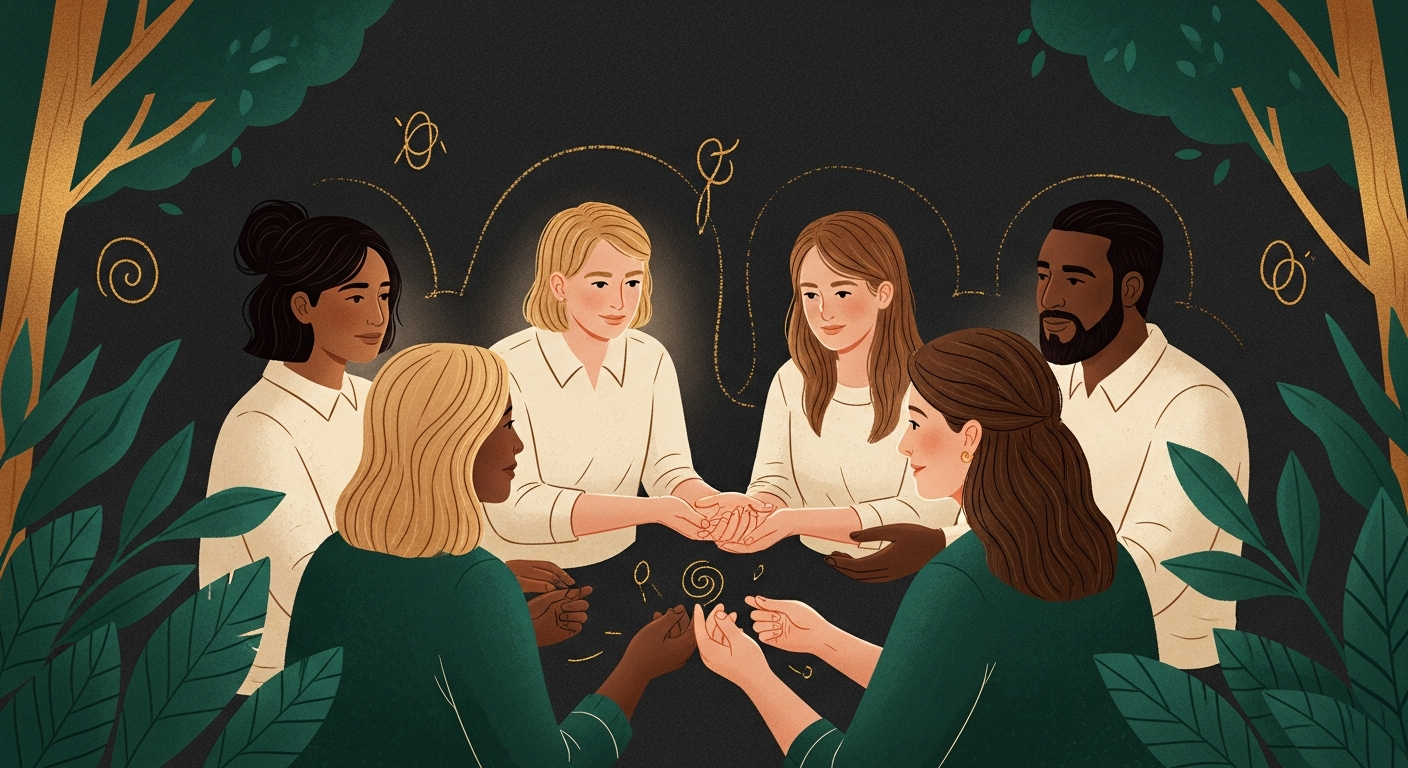
Sobriety coaching helps with gambling addiction recovery through accountability, coping strategies, and daily support. Learn how it works.
Sobriety coaching for gambling addiction is a one-on-one recovery support relationship where a trained coach helps you build accountability, develop coping strategies, and navigate the daily challenges of compulsive gambling recovery — whether you're just starting out, returning after a relapse, or strengthening your long-term clean time.
If you've ever left a Gamblers Anonymous meeting feeling hopeful but then felt completely alone by Tuesday afternoon, you already understand the gap that sobriety coaching fills. Recovery doesn't happen only in the rooms. It happens in the car on the way to work when your phone lights up with a notification. It happens at 2 a.m. when the urge shows up uninvited. It happens in the quiet moments when shame tries to rewrite your story.
A sobriety coach meets you in those moments — not as a therapist, not as a sponsor, but as someone trained to help you stay the course between the structured touchpoints of your recovery.
What Is Sobriety Coaching for Gambling Addiction?
Sobriety coaching — sometimes called recovery coaching — is a structured support relationship focused on helping you maintain and strengthen your recovery from compulsive gambling. Unlike therapy, which often focuses on the root causes of addiction, coaching is action-oriented. It's about what you do today, this week, this hour.
A sobriety coach typically helps you:
- Build daily accountability structures — check-ins, goal setting, honest conversation about where you really are
- Develop personalized coping strategies — for urges, triggers, high-risk situations, and the financial stress that follows compulsive gambling
- Navigate recovery pathways — whether that's GA meetings, SMART Recovery, therapy, digital tools, or a combination that works for your life
- Reconnect with values — remembering who you are outside of the addiction and rebuilding from that foundation
The Substance Abuse and Mental Health Services Administration (SAMHSA) recognizes peer recovery support services — including coaching — as an evidence-based practice that improves long-term recovery outcomes. A 2012 study published in the Journal of Substance Abuse Treatment found that individuals who received recovery coaching had significantly higher rates of sustained recovery at 12 months compared to those who relied on treatment alone (SAMHSA, Recovery Support Services).
How Coaching Differs from Therapy and Sponsorship
This is a question that comes up a lot, and it matters. These three relationships serve different — and often complementary — purposes.
Therapy digs into the why. A licensed therapist helps you understand the psychological roots of your compulsive gambling — trauma, anxiety, depression, the neurological pull of dopamine cycles. Cognitive behavioral therapy (CBT) has strong evidence for gambling addiction, with the American Psychological Association noting that CBT helps individuals identify and change distorted thinking patterns related to gambling (APA, 2017).
Sponsorship — particularly within GA — is a peer relationship rooted in shared experience and the 12-step framework. Your sponsor has walked the path. They guide you through the steps, share what worked for them, and hold you accountable within the program. It's powerful, and for many people, it's the backbone of recovery.
Coaching sits between these two. A sobriety coach is trained in recovery support but doesn't provide clinical treatment. They're focused on the practical, day-to-day work of staying clean — managing finances, rebuilding routines, handling relationships, and planning for high-risk moments. Some coaches are certified through organizations like the Connecticut Community for Addiction Recovery (CCAR) or the International Association of Professional Recovery Coaches.
You don't have to choose one. Many people in strong recovery use all three.
Why Gambling Addiction Recovery Needs Its Own Approach
Gambling addiction doesn't always look like other addictions from the outside, but the internal experience — the compulsion, the shame, the financial devastation, the isolation — is its own kind of hell.
The National Council on Problem Gambling (NCPG) estimates that approximately 2 million U.S. adults meet the criteria for severe gambling problems, with another 4–6 million considered to have mild or moderate gambling problems (NCPG, 2023). Despite these numbers, fewer than 10% of people struggling with compulsive gambling ever seek help.
Part of the reason is that gambling addiction is still deeply misunderstood. There's no substance in your system. No physical withdrawal that sends you to the hospital. The destruction is often invisible until it's catastrophic — drained savings accounts, maxed credit cards, lies stacked so high you can't see over them anymore.
Sobriety coaching for gambling specifically addresses this reality. A good coach understands:
- The financial wreckage is part of the addiction — and recovery includes learning to face it honestly, not just stopping the behavior
- Digital access makes gambling uniquely persistent — your phone is both a lifeline and a minefield, and a coach helps you build boundaries around technology
- Shame keeps people stuck — more than almost any other addiction, gambling carries a particular kind of shame tied to money, intelligence, and personal responsibility. A coach helps you separate who you are from what you did.
What to Expect from Sobriety Coaching Sessions
If you've never worked with a recovery coach, you might wonder what it actually looks like. Here's what a typical coaching relationship involves.
Initial Assessment and Goal Setting
Your first sessions focus on understanding where you are right now — honestly. Not where you think you should be, not where you were six months ago. Right now. A coach will help you identify your triggers, map out your high-risk situations, and set realistic, meaningful goals for your recovery.
This isn't about making a perfect plan. It's about making a real one.
Regular Check-Ins and Accountability
Most coaching relationships involve weekly sessions — sometimes more frequently early on, sometimes less as you build stability. These check-ins create a rhythm. You know that someone is going to ask you how you're doing, and not in a polite way. In a "tell me the truth" way.
Accountability is one of the most powerful tools in recovery. The NCPG has noted that ongoing accountability and support structures are among the strongest predictors of sustained gambling recovery (NCPG, Recovery Resources).
Crisis Planning and Relapse Prevention
A good coach doesn't wait for a crisis. They help you plan for one. Together, you'll build a relapse prevention strategy that includes:
- Identifying your personal warning signs — the emotional, behavioral, and situational cues that come before an urge
- Creating an action plan for high-risk moments — who to call, what to do, where to go
- Addressing the financial triggers that are unique to gambling recovery — payday cycles, tax refunds, unexpected money
This is where tools like 12&Well's Gambling Radar become incredibly useful. It maps the full year of high-risk gambling trigger windows — from major sporting events to payday cycles to holiday loneliness spikes — and sends you 48-hour advance alerts before each window opens. Many coaches integrate tools like this into their work with clients.
Building a Recovery Ecosystem
One of the most valuable things a sobriety coach does is help you build a recovery ecosystem — not just a single strategy, but a web of support that catches you from multiple angles.
That ecosystem might include:
- GA meetings — the rooms offer fellowship and a proven framework that millions have used to find recovery
- Gam-Anon — for your spouse, partner, or family members who need their own path
- Therapy — particularly CBT or motivational interviewing for deeper psychological work
- Digital tools — 24/7 AI companions like Hope AI that provide support between sessions, daily check-ins, and guided 12-step journeys
- Protective technology — tools like 12&Well's Browser Shield that block access to over 264,000 gambling domains before the urge even gets a chance
- Community — peer groups, online forums, and recovery communities where you're understood without having to explain yourself
No single piece is the answer. The answer is the whole picture, built around what works for you.
How to Find the Right Sobriety Coach
Not all coaches are the same, and finding the right fit matters. Here's what to look for:
Gambling-specific experience. Compulsive gambling is different from substance addiction in critical ways. Your coach should understand the financial dimension, the digital access challenges, and the unique shame cycle.
Lived experience or specialized training. Many of the best gambling recovery coaches are in recovery themselves. Others have extensive training through certified programs. Both can be effective — what matters is genuine understanding.
Alignment with your recovery path. If you're working a 12-step program, you want a coach who respects and supports that framework. If you're more drawn to SMART Recovery or a self-guided approach, you want someone who meets you there. The best coaches don't impose a single method — they help you find what works.
Availability between sessions. Recovery doesn't follow a schedule. Look for coaches who offer some form of between-session support — whether that's text check-ins, brief calls, or integration with digital tools that provide 24/7 support.
Transparent boundaries. A good coach is clear about what they are and what they aren't. They're not your therapist. They're not your sponsor — though they may encourage you to find one. They're a trained ally focused on keeping you moving forward.
When Coaching Makes the Biggest Difference
Sobriety coaching can help at any stage of recovery, but there are moments when it becomes particularly powerful:
- Early recovery — the first 90 days are the most vulnerable. Having a coach during this period can mean the difference between white-knuckling it alone and building a real foundation.
- After a relapse — shame after a relapse can keep you from going back to the rooms or reaching out to your sponsor. A coach provides a non-judgmental space to regroup and start again.
- During major life transitions — new jobs, relationship changes, financial stress, holidays. These are the moments that test your recovery, and a coach helps you navigate them with a plan.
- When meetings alone aren't enough — GA is powerful, but it's typically a few hours a week. A coach fills the gaps between meetings with structure and accountability.
- When you're not ready for meetings — some people aren't ready for GA, and that's okay. A coach can be the first step — a private, personal starting point that might eventually lead to the rooms, or might lead somewhere else entirely. Recovery can start anywhere.
You Don't Have to Figure This Out Alone
Here's what's true: recovery from compulsive gambling is one of the hardest things you'll ever do. The shame is heavy. The financial damage feels impossible. The loneliness is real.
But you don't have to carry all of that by yourself.
Whether sobriety coaching is your first step or your next step, what matters is that you keep moving. You can call the National Problem Gambling Helpline at 1-800-522-4700 — it's free, confidential, and available 24/7. You can walk into a GA meeting. You can download 12&Well's free tools and start building your recovery today — no signup required, no judgment, just honest support.
Recovery is possible. Not because it's easy, but because you don't have to do it alone.
Frequently Asked Questions
What is sobriety coaching for gambling addiction?
Sobriety coaching for gambling addiction is a one-on-one support relationship with a trained recovery coach who helps you build daily accountability, develop coping strategies, navigate high-risk situations, and create a sustainable recovery plan. Unlike therapy, coaching is action-focused — centered on what you do today to protect your recovery. It works alongside other supports like GA meetings, therapy, sponsors, and digital tools like 12&Well's Hope AI.
Is a sobriety coach the same as a GA sponsor?
No, though they complement each other well. A GA sponsor is a fellow member of Gamblers Anonymous who guides you through the 12 steps based on their own lived experience. A sobriety coach is a trained professional — sometimes with lived experience, sometimes not — who focuses on the practical, day-to-day work of recovery, including financial planning, relapse prevention, and building a recovery ecosystem. Many people benefit from having both.
How much does a gambling sobriety coach cost?
Costs vary widely. Some certified recovery coaches charge between $75 and $200 per session, while community-based and nonprofit programs may offer coaching at reduced rates or free of charge. SAMHSA's treatment locator can help you find low-cost options. Digital alternatives — like 12&Well's Hope AI — offer 24/7 recovery support at a fraction of the cost and can supplement or serve as a starting point before traditional coaching.
Can sobriety coaching help if I've relapsed?
Absolutely. Relapse is one of the most common reasons people seek out a sobriety coach. After a relapse, the shame can be so intense that it keeps you from returning to meetings or reaching out to your support network. A coach provides a non-judgmental, structured space to process what happened, identify what led to the relapse, and rebuild your plan. Recovery isn't a straight line — and a good coach knows that.
This content is for informational purposes only and is not a substitute for professional medical advice, diagnosis, or treatment. If you or someone you love is struggling with compulsive gambling, call the National Problem Gambling Helpline at 1-800-522-4700 — free, confidential, available 24/7.
recovery doesn't happen alone.
Join the waitlist for 12&Well — 24/7 AI support, geo protection, recovery music, and tools for the whole family.
Join the Waitlist